
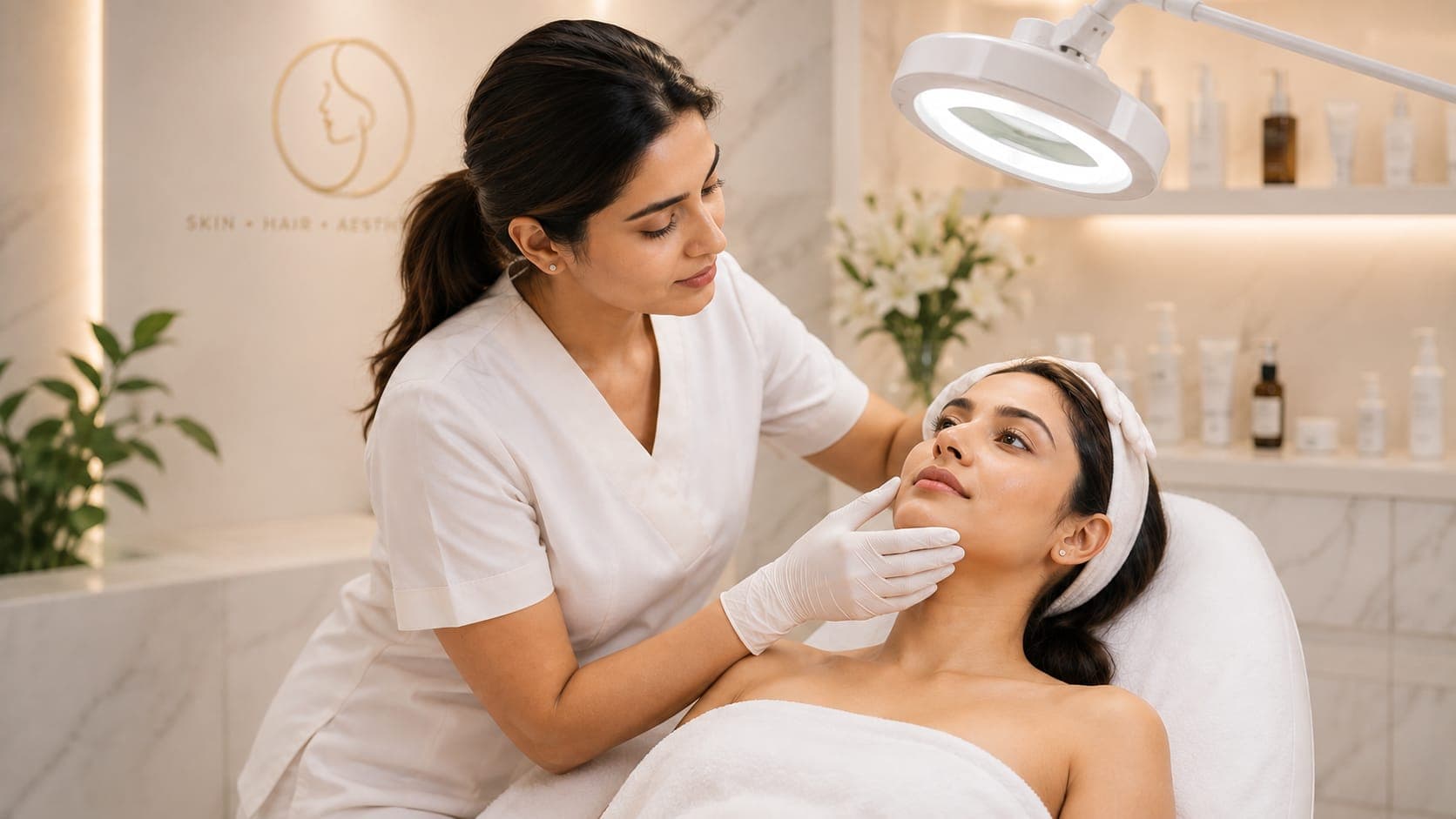
Why This Question Trips People Up
Walk into any salon or clinic and the facial menu alone can be overwhelming. Hydrating, brightening, deep cleansing, anti-ageing – the list goes on, and most of the names don't tell you much about what your skin actually needs. People often end up picking whatever sounds the most luxurious or whatever their friend booked last week. That's not really how it should work.
Your skin type decides almost everything here: how it reacts to products, how much it can handle in one sitting, and what kind of results you'll actually see afterward. At DR Youth Clinic, this is usually the first thing discussed before any facial is recommended, because the wrong one on the wrong skin can do more harm than good.
Figuring Out Your Skin Type First
Before anything else, it helps to know where your skin actually sits. A few general categories:
- Oily skin: shine shows up within a few hours of washing your face, pores look larger, breakouts are common
- Dry skin: tightness after cleansing, flaky patches, skin that feels rough to the touch
- Combination skin: oily around the forehead, nose and chin, drier or normal everywhere else
- Sensitive skin: redness, stinging or irritation from products that don't bother most people
- Normal skin: not too oily, not too dry, minimal breakouts or sensitivity
Most people fall somewhere between these rather than fitting one category perfectly, and that's completely normal. Weather, stress, hormones and even the products you're already using can shift things slightly.
Facials That Work Well for Oily and Acne Prone Skin
Oily skin tends to do better with facials that focus on clearing out congestion rather than adding more richness to the skin. Deep cleansing facials, ones with salicylic acid or clay-based masks, tend to help pull out excess oil and unclog pores without leaving skin greasy afterward.
Steam-based extraction facials can also help here, though they should be done by someone trained, since overdoing extractions can leave marks or irritate active breakouts. Heavy, oil-rich facials are usually best avoided since they can add to the congestion rather than solve it.
Facials That Suit Dry Skin
Dry skin generally responds well to anything with a hydration or nourishing focus. Think facials built around hyaluronic acid, ceramides or natural oils that help the skin hold onto moisture rather than lose it further.
A few things worth keeping in mind for dry skin:
- Avoid facials with strong exfoliation or high-percentage acids too often
- Look for options with a moisturising mask step built in
- Steam should be gentle, not prolonged, since it can dry skin out further afterward
- Following up with a proper moisturiser at home matters just as much as the facial itself
What Combination Skin Actually Needs
Combination skin is a bit trickier since two different needs exist on the same face. The trick is usually a facial that balances both areas instead of treating the whole face the same way.
Many clinics, including DR Youth Clinic, adjust the products used on different zones of the face during the same session for exactly this reason. Something that clears oil from the T-zone while still hydrating the cheeks tends to give better, more even results than a one-size-fits-all approach.
Sensitive Skin Needs a Gentler Approach
If your skin reacts easily, the priority isn't necessarily the most advanced facial available; it's the one least likely to cause a flare-up. Calming facials with ingredients like aloe vera, centella or oat extract are generally a safer starting point.
A patch test before a full facial is always worth doing if you're trying a new clinic or a new product line for the first time. Sensitive skin can react days later, not just immediately, so it helps to give it a bit of time before committing to a full course of sessions.
Anti-Ageing Facials and Who They're Actually For
Anti-ageing facials, whether that's collagen based, LED light therapy, or facials paired with light peels, tend to work best once fine lines, dullness or loss of firmness have already started showing up. They're not necessarily wrong for younger skin, but the results are usually more noticeable once there's actually something visible to address.
These facials often need to be done as a short series rather than a one-off, since results build gradually rather than appearing after a single session.
A Few Things That Matter More Than the Facial Name
Regardless of which facial sounds appealing, a few things tend to matter more for actual results:
- Getting a proper skin assessment before booking anything, rather than guessing
- Being upfront with the clinic about any allergies, medications or ongoing skin concerns
- Not stacking too many active ingredients in one session
- Following whatever aftercare is suggested, especially around sun exposure
- Giving your skin a few days to settle before judging the results
How Often Should You Actually Get One
This depends heavily on skin type and goals rather than a fixed number that works for everyone. Oily or acne-prone skin sometimes benefits from a facial every three to four weeks, while dry or sensitive skin often does better with more spacing in between, closer to every six weeks. Anti-ageing facials usually follow their own schedule depending on the specific treatment involved.
Before You Book One
There isn't a single facial that works for everyone, and that's the whole point. What suits your friend's oily skin might leave your dry skin feeling worse, not better. The safest way to figure this out is a proper consultation rather than picking something off a menu based on how it sounds.
If you're unsure where your skin actually falls or which facial would genuinely help, a consultation at DR Youth Clinic can walk you through it based on your skin, not a generic recommendation.
Frequently Asked Questions
Can I get a facial even if I have active acne?+
How long do facial results actually last?+
Is it normal for my skin to look worse right after a facial?+
Do I need a different facial for every season?+
Can facials replace a proper skincare routine at home?+
Are facials safe during pregnancy?+

Reviewed By
Dr. Moideen Beevee. T
Cosmetology
BHMS, Cosmetology · 4+ years experience


